
Effective financial planning requires more than occasional attention to your accounts or sporadic investment decisions. It demands a comprehensive, structured approach that addresses every aspect of your financial life. Whether you're building wealth for the first time, approaching retirement, or managing complex assets, quality planning advice can transform your financial trajectory and provide clarity in an increasingly complex economic landscape. This guidance becomes particularly valuable when navigating the intersection of retirement strategies, investment management, estate considerations, and tax optimization.
Understanding the Foundation of Financial Planning
Financial planning encompasses a holistic view of your current situation, future goals, and the strategies required to bridge that gap. The foundation begins with a thorough assessment of where you stand today, including assets, liabilities, income sources, and expenses. This baseline understanding informs every subsequent decision you make.
Key Components of Comprehensive Planning
When seeking planning advice, understanding the core elements helps you evaluate whether your current approach addresses all critical areas:
- Cash flow management and budgeting strategies
- Emergency fund establishment and maintenance
- Debt management and reduction tactics
- Risk management through appropriate insurance coverage
- Investment allocation aligned with time horizons
- Tax-efficient wealth accumulation methods
Each component interconnects with others, creating a financial ecosystem where changes in one area ripple through your entire plan. A well-structured approach considers these relationships rather than treating each element in isolation.

Retirement Planning Strategies That Work
Retirement planning represents one of the most critical areas where sound planning advice makes a measurable difference. The shift from accumulation to distribution phases requires careful consideration of multiple factors, including longevity risk, healthcare costs, and income sustainability.
Building Your Retirement Framework
Starting with clear retirement objectives provides direction for all subsequent decisions. Consider these essential planning elements:
- Define your retirement timeline and lifestyle expectations
- Calculate realistic income needs adjusted for inflation
- Maximize tax-advantaged retirement account contributions
- Develop a sustainable withdrawal strategy
- Integrate Social Security timing decisions
- Plan for healthcare costs including Medicare considerations
The American Bankers Association offers a comprehensive guide on personal financial planning that addresses wealth accumulation and retirement preparation strategies applicable to various life stages.
| Retirement Account Type | 2026 Contribution Limit | Tax Treatment | Age-Based Catch-Up |
|---|---|---|---|
| 401(k) | $23,500 | Pre-tax or Roth | $7,500 (age 50+) |
| Traditional IRA | $7,000 | Pre-tax | $1,000 (age 50+) |
| Roth IRA | $7,000 | After-tax | $1,000 (age 50+) |
| SEP IRA | $69,000 | Pre-tax | N/A |
Understanding contribution limits and tax treatments enables you to optimize your retirement savings strategy. Working with fiduciary advisors ensures recommendations align with your interests rather than product sales quotas.
Addressing Longevity and Sequence Risk
Modern retirement planning advice must account for potentially 30-year retirement periods. Longevity creates both opportunity and challenge, requiring strategies that balance growth potential with income stability.
Sequence of returns risk poses particular concern for recent retirees. Market downturns early in retirement can significantly impact long-term portfolio sustainability, even if markets recover later. Mitigation strategies include maintaining adequate cash reserves, implementing bucket strategies, and considering guaranteed income sources.
Investment Management Principles
Sound investment management balances growth objectives with risk tolerance and time horizon considerations. The planning advice you receive should address portfolio construction, diversification, rebalancing, and tax efficiency as interconnected elements rather than isolated decisions.
Asset Allocation Fundamentals
Your asset allocation represents the primary driver of portfolio returns and volatility. Research consistently demonstrates that allocation decisions matter more than individual security selection or market timing attempts.
Strategic allocation considerations include:
- Current age and years until major financial goals
- Risk capacity based on financial resources
- Risk tolerance reflecting emotional comfort with volatility
- Income needs from the portfolio
- Tax situation and account location strategies
Regular rebalancing maintains your intended risk profile as market movements shift allocations. However, rebalancing frequency should balance maintenance benefits against transaction costs and tax implications.
The Planned Ahead approach to financial planning emphasizes systematic strategies for early-to-mid career professionals building investment portfolios aligned with long-term objectives.

Tax-Efficient Investment Strategies
Investment planning advice should integrate tax considerations into every decision. Asset location strategies place tax-inefficient investments in tax-advantaged accounts while holding tax-efficient assets in taxable accounts. This optimization can significantly enhance after-tax returns over time.
Tax-loss harvesting captures losses to offset gains, reducing current tax liability while maintaining market exposure. Qualified dividend treatment and long-term capital gains rates favor certain investment approaches over others. Understanding these nuances helps maximize the wealth you retain rather than remit to tax authorities.
Estate Planning Considerations
Estate planning extends beyond wealth transfer at death. Comprehensive planning advice addresses incapacity planning, healthcare directives, asset protection, and legacy objectives. Many individuals postpone estate planning, mistakenly believing it applies only to the wealthy or elderly.
Essential Estate Planning Documents
Every adult benefits from basic estate planning documents regardless of wealth level:
- Last Will and Testament directing asset distribution
- Revocable Living Trust for probate avoidance (when appropriate)
- Durable Power of Attorney for financial decisions
- Healthcare Power of Attorney designating medical decision-makers
- Living Will or Advance Healthcare Directive
- Beneficiary designations on retirement and insurance accounts
Beneficiary designations supersede will instructions, making regular review critical. Outdated designations frequently cause unintended distributions, particularly after marriage, divorce, births, or deaths.
Estate planning advantages include probate avoidance, privacy protection, incapacity planning, and potential estate tax reduction for larger estates. Coordination between estate documents and beneficiary designations ensures your wishes execute as intended.
Trust Structures and Advanced Strategies
Trusts provide flexibility and control unavailable through simple will-based planning. Revocable trusts offer probate avoidance and incapacity management while maintaining complete control during your lifetime. Irrevocable trusts create separation between you and assets, potentially reducing estate taxes and protecting assets from creditors.
Specific trust types address particular objectives. Special needs trusts protect disabled beneficiaries without disqualifying them from government benefits. Charitable remainder trusts provide current income while supporting philanthropic goals. Generation-skipping trusts transfer wealth to grandchildren while minimizing transfer taxes.
Working with trust advisors who understand both technical requirements and family dynamics helps structure plans that function as intended across generations.
Tax Strategy Integration
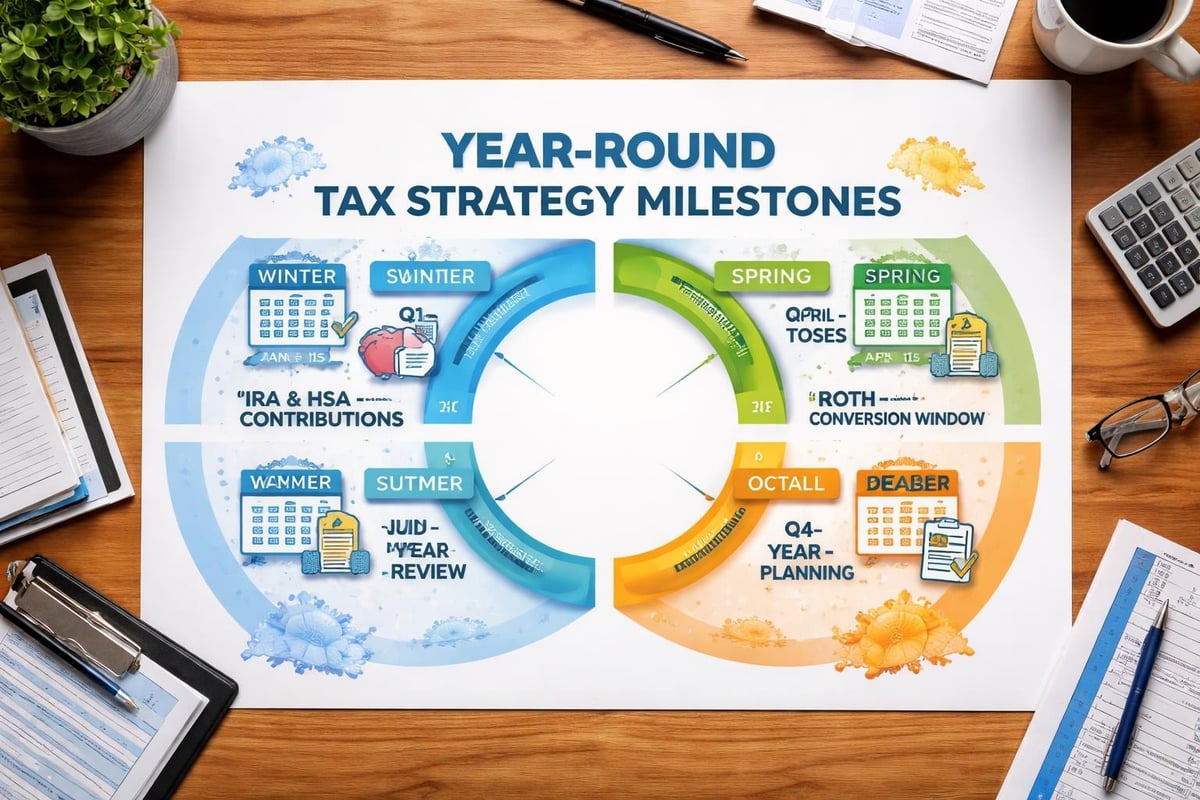
Tax planning represents an ongoing process rather than a year-end scramble. Strategic planning advice incorporates tax considerations into retirement contributions, investment decisions, income timing, and charitable giving throughout the year.
Proactive Tax Management Techniques
Effective tax strategies require understanding current law while maintaining flexibility for future changes. Consider these approaches:
| Strategy | Application | Potential Benefit |
|---|---|---|
| Roth conversions | Low-income years | Tax-free growth and withdrawals |
| Charitable bunching | Itemized deductions | Larger deductions in alternating years |
| Capital gain harvesting | Low-income years | Tax-free or reduced-rate gains |
| Qualified charitable distributions | Age 70½+ | Tax-free IRA distributions to charity |
| Health savings accounts | High-deductible plans | Triple tax advantage |
Tax law changes frequently, requiring planning advice that adapts to new regulations. The Tax Cuts and Jobs Act provisions scheduled to expire after 2025 create planning opportunities in 2026 for those positioned to act strategically.
Coordination with Professional Advisors
Complex tax situations benefit from coordination between financial advisors and tax professionals. A CPA financial advisor relationship ensures tax planning integrates seamlessly with broader financial strategies rather than operating in isolation.
Year-round tax planning identifies opportunities before year-end deadlines pass. Estimated tax calculations, retirement contribution timing, and capital gain management require ongoing attention rather than December panic.
Building Your Financial Planning Team
While technology provides valuable planning tools, human expertise remains essential for navigating complex situations and making values-based decisions. The planning advice you receive depends heavily on your advisor's qualifications, compensation structure, and commitment to your interests.
Fiduciary vs. Suitability Standards
Understanding advisor standards protects you from conflicted advice. Fiduciary advisors legally must place your interests first, while suitability-standard advisors need only recommend suitable products that may not be optimal for your situation.
Questions to ask potential advisors:
- Are you a fiduciary 100% of the time?
- How are you compensated for your recommendations?
- What credentials and continuing education do you maintain?
- How do you stay current with tax law and regulatory changes?
- What is your investment philosophy and planning approach?
Fee-only advisors eliminate product sales conflicts, aligning their compensation with your success. Commission-based models create inherent conflicts between advisor income and client interests. The Community Places planning advice model demonstrates how impartial guidance serves clients without sales pressure.
Virtual-First Advisory Models
Technology enables effective advisory relationships without geographic constraints. Virtual-first models provide convenience, broader advisor selection, and often lower costs than traditional brick-and-mortar firms. Secure video conferencing, document sharing, and portfolio management platforms deliver comprehensive service regardless of location.
This accessibility particularly benefits individuals in underserved markets or those preferring flexible scheduling. Video meetings eliminate commute time while maintaining personal connection and communication quality.
Implementing Your Financial Plan
Planning advice only creates value when implemented effectively. Even the most sophisticated strategy fails without consistent execution and ongoing monitoring. Implementation requires translating recommendations into specific actions with clear timelines and accountability.
Creating an Action Plan
Break comprehensive planning advice into manageable steps:
- Prioritize recommendations by impact and urgency
- Establish specific deadlines for each action item
- Identify resources and information needed
- Delegate tasks to appropriate professionals
- Schedule follow-up reviews to track progress
Some actions require immediate attention, such as establishing emergency funds or obtaining necessary insurance coverage. Others operate on longer timelines, like maximizing retirement contributions throughout the year or implementing multi-year Roth conversion strategies.
Documentation proves critical for tracking progress and maintaining accountability. Written plans with specific targets enable meaningful measurement of whether you're advancing toward goals or drifting off course.
Ongoing Monitoring and Adjustment
Financial planning represents a dynamic process rather than a one-time event. Life changes, market conditions, and regulatory updates require regular plan reviews and adjustments. Annual reviews at minimum ensure your plan remains aligned with current circumstances and objectives.
Trigger events warrant immediate plan reassessment:
- Marriage, divorce, or death of a spouse
- Birth or adoption of children
- Job changes or business transitions
- Inheritance or significant windfalls
- Health status changes
- Major market events or economic shifts
Maintaining relationships with experienced advisors provides continuity and institutional knowledge about your situation. The Planning Aid England knowledge base demonstrates how accessible guidance helps individuals navigate complex systems more effectively.
Adapting to Life Transitions
Career changes, family developments, and approaching retirement represent critical periods when quality planning advice proves most valuable. These transitions create both opportunities and risks that require careful navigation.
Early Career Planning Foundations
Building strong financial habits early creates compound benefits across your lifetime. Young professionals benefit from planning advice that prioritizes:
- Emergency fund establishment covering 3-6 months of expenses
- Employer retirement plan participation, especially matching contributions
- Student loan repayment strategies balancing debt reduction and investing
- Disability and term life insurance to protect earning capacity
- Foundation estate planning documents despite limited assets
Mistakes during this period prove less costly than later missteps, making it an ideal time to develop disciplined approaches to making financial decisions that compound over decades.
Mid-Career Optimization
Peak earning years offer maximum opportunity for wealth accumulation. Strategic planning advice during this phase focuses on maximizing tax-advantaged contributions, optimizing investment allocations, and addressing protection gaps as family responsibilities expand.
Many individuals achieve income levels that trigger additional tax considerations, including alternative minimum tax exposure, net investment income tax, and phased-out deductions. Sophisticated planning advice helps navigate these complications while maximizing wealth retention.
Pre-Retirement Preparation
The five to ten years before retirement represent a critical window for final optimizations. Planning advice during this period should address Social Security timing strategies, Medicare enrollment preparation, pension decisions, and distribution planning from various account types.
Risk management becomes increasingly important as time horizons shorten. Protecting accumulated wealth from market volatility, sequence risk, and unexpected expenses requires different strategies than those used during accumulation phases.
Measuring Planning Success
Effective planning advice includes clear metrics for measuring progress toward objectives. Without measurable targets, assessing whether strategies work becomes impossible. Success metrics should align with your specific goals rather than arbitrary benchmarks or market index comparisons.
Personalized Performance Metrics
Standard measurements include:
| Metric Category | Example Measurements | Review Frequency |
|---|---|---|
| Net Worth | Total assets minus liabilities | Quarterly |
| Savings Rate | Percentage of gross income saved | Monthly |
| Retirement Readiness | Projected income vs. needs | Annually |
| Investment Performance | Risk-adjusted returns vs. benchmarks | Quarterly |
| Tax Efficiency | Effective tax rate trends | Annually |
| Estate Planning | Document currency and completeness | Annually |
Progress toward goals matters more than absolute returns. A portfolio that delivers 6% annually while meeting your objectives succeeds more than one achieving 10% returns while exposing you to unacceptable risk or failing to align with your timeline.
Regular measurement identifies problems early, enabling course corrections before small deviations become major shortfalls. This discipline separates successful long-term planning from reactive scrambling.
Quality planning advice provides the foundation for financial confidence and long-term success by addressing retirement preparation, investment strategy, estate considerations, and tax optimization in an integrated manner. These interconnected elements require ongoing attention and expert guidance tailored to your unique circumstances. Brookwood Investment Group LLC offers fiduciary, personalized financial guidance designed to help you navigate these complexities through virtual-first advisory services that adapt to your evolving needs and goals.
