
Are you ready to make financial decisions that will shape your future in 2026? With rapid changes in the economy and new financial tools emerging, understanding how to navigate your money choices is more important than ever.
This essential guide is designed to give you a step-by-step approach to financial decision-making. You will learn how psychology influences your choices, how to set clear goals, and how to budget and save effectively. We will also explore investing, risk management, technology, and common mistakes to avoid, all tailored for 2026.
Gain insights, take control, and build the confidence you need to thrive financially in the year ahead.
Understanding the Psychology of Financial Decisions
Financial choices are rarely just about dollars and cents. To make financial decisions with clarity in 2026, it is essential to understand the psychological forces shaping your money habits. Our beliefs, emotions, and even the culture we grow up in play a powerful role in how we spend, save, and invest.

The Role of Cognitive Biases in Money Choices
Cognitive biases are unconscious mental shortcuts that can lead us to make financial decisions that are not always rational. These patterns are shaped by upbringing, culture, and societal expectations. For example, the sunk cost fallacy might push someone to keep paying for a subscription they no longer use, simply because they have already spent money on it.
Common biases include:
- Sunk cost fallacy: Continuing an investment because of past commitments, even if it no longer makes sense.
- Pain of paying: Feeling more discomfort when spending cash than using cards or digital payments.
- Mental accounting: Treating money differently depending on its source, such as spending a tax refund more freely than regular income.
- Herd mentality: Following market trends or friends’ financial moves without independent analysis.
Imagine receiving a year-end bonus and immediately splurging on a luxury item because friends are doing the same. Or, you might notice yourself investing in a trending stock because everyone else seems to be making money from it.
Research shows that emotions and unconscious thought patterns drive many people to make financial decisions they later question. Recognizing these patterns is the first step to better choices. Societal pressure and peer influence can also sway your spending and saving habits, making it harder to stick to your goals.
For a deeper dive into the impact of these biases, the article on Cognitive Biases in Financial Decision Making explains how these mental habits can influence your financial behavior.
To counteract these tendencies, try these strategies:
- Pause before big purchases and ask if your reasoning is based on logic or emotion.
- Track your spending to reveal hidden patterns.
- Discuss plans with a trusted friend or advisor to gain perspective.
Awareness and small mindset shifts can empower you to make financial decisions that truly align with your objectives.
Emotional Triggers and Money Habits
Emotions often take the driver’s seat when we make financial decisions. Stress, fear, excitement, and FOMO (fear of missing out) are common triggers that can override logic. For instance, a sudden windfall might lead to a shopping spree, while fear of loss could keep you clinging to a poor investment.
Consider these emotional triggers:
- Stress: Can lead to impulsive decisions or avoidance of important tasks.
- Fear: May cause missed opportunities or reluctance to invest.
- Excitement: Triggers overconfidence and risky bets.
- FOMO: Encourages chasing trends without full understanding.
These emotions can cloud judgment, resulting in choices that do not support your long-term financial health. For example, sticking with a losing stock because of emotional attachment can hurt your portfolio more than a rational assessment would.
Practical steps can help manage these responses. Implement a cooling-off period before major purchases or investments. Set up regular check-ins with an accountability partner to review your actions. Most importantly, separate facts from feelings by writing down the reasons for major decisions and reviewing them objectively.
By building self-awareness and putting these strategies in place, you set yourself up to make financial decisions in 2026 that are grounded in rational thinking, not fleeting emotions.
Setting Financial Goals for 2026
Setting clear goals is the foundation for anyone who wants to make financial decisions with confidence in 2026. The rapid pace of economic change means that having a roadmap is more important than ever. By clarifying what you want to achieve, you give every dollar a purpose and reduce the uncertainty that often clouds the ability to make financial decisions.

Identifying and Prioritizing Your Financial Objectives
To make financial decisions that lead to lasting success, start by distinguishing between short-term, medium-term, and long-term goals. Short-term goals may include building an emergency fund or paying off a credit card within a year. Medium-term objectives could be saving for a home down payment or funding a child’s education in the next five years. Long-term goals often focus on retirement milestones or achieving financial independence.
Here is a quick comparison table to help you organize your goals:
| Time Horizon | Example Goals | Typical Duration |
|---|---|---|
| Short-term | Emergency fund, vacation | 1 year or less |
| Medium-term | Home purchase, college fund | 1–5 years |
| Long-term | Retirement, wealth building | 5+ years |
Aligning your objectives with your personal values and life stage ensures that your efforts support what matters most to you. Research shows that individuals who set specific goals are far more likely to make financial decisions that yield positive outcomes.
Using digital planners and apps can make tracking and prioritizing goals simple and effective. Explore free and paid financial planning resources to find tools that match your needs. Remember, flexibility is essential—your goals may shift as life changes in 2026. Applying the SMART framework—Specific, Measurable, Achievable, Relevant, and Time-bound—will help you stay focused and motivated to make financial decisions that work.
Building an Action Plan
Once your goals are clear, break each one down into manageable steps. For example, if you want to make financial decisions about buying a home, outline the savings required, set monthly targets, and review your progress regularly. Setting milestones, such as reaching a certain savings amount each quarter, helps maintain momentum.
Regular progress reviews are essential. Check in monthly or quarterly to adjust your plan as needed, especially if there are changes in your income or the broader economic environment. If you encounter a setback, revisit your goals and rework your plan, rather than abandoning it.
Flexibility is crucial for anyone aiming to make financial decisions that stand the test of time. If market trends or personal circumstances shift, do not hesitate to update your action steps. Use digital tracking tools to visualize your journey and celebrate achievements along the way. With a thoughtful action plan, you can confidently move closer to your 2026 financial aspirations.
Mastering Budgeting and Saving Strategies
Budgeting and saving are the backbone for anyone aiming to make financial decisions with confidence in 2026. A well-structured plan not only keeps your spending in check but also empowers you to weather economic uncertainty. By understanding how to allocate resources, track expenses, and set aside savings, you position yourself to make financial decisions that are both rational and sustainable.
Creating a Realistic 2026 Budget
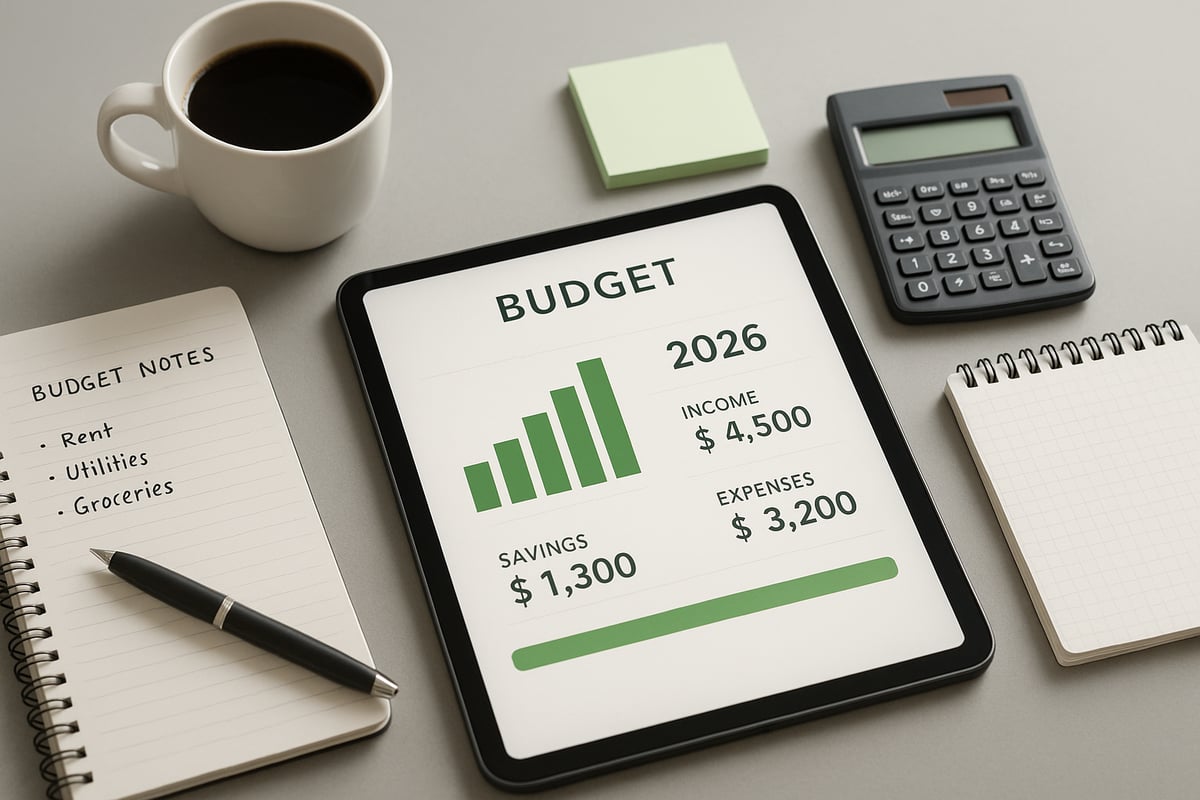
To make financial decisions that stand the test of 2026’s changing economy, begin with a budget tailored to your current needs and future goals. Start by listing all sources of income and estimating monthly expenses, accounting for inflation forecasts and any anticipated changes in living costs. Categorize your spending into essentials such as housing, food, transportation, debt repayment, and discretionary items like entertainment.
Many find success using digital budgeting tools that automate expense tracking and provide real-time analytics. With the rise of fintech, there are now apps that sync with your accounts, categorize transactions, and offer insights to help you stick to your goals. For a comprehensive review of the top platforms, consult the Best Budgeting Apps of 2026. Households that use such tools are shown to save 20% more on average, giving them a distinct edge as they make financial decisions.
Steps to build your 2026 budget:
- Calculate total monthly income.
- List fixed and variable expenses.
- Allocate funds by category.
- Set spending limits and savings targets.
- Review and adjust monthly.
By following these steps, you create a dynamic plan that adapts as your circumstances or the economy shift, supporting your ability to make financial decisions that align with your priorities.
Building and Maintaining an Emergency Fund
An emergency fund is a safety net that enables you to make financial decisions without panic when the unexpected occurs. Experts typically recommend setting aside three to six months of living expenses. This cushion helps you cover emergencies such as job loss, medical bills, or urgent repairs, all without derailing your long-term goals.
To build your fund, start with small, consistent contributions. Set up an automatic transfer from your checking to a dedicated savings account each month. High-yield savings accounts or money market accounts are smart options for these funds, offering both liquidity and competitive interest rates.
Strategies for steady emergency savings:
- Set a monthly savings goal, even if modest.
- Use windfalls, such as tax refunds or bonuses, to boost your fund.
- Reassess your fund size annually, adjusting for inflation or lifestyle changes.
Maintaining an emergency fund gives you peace of mind and flexibility. It allows you to make financial decisions based on logic, not fear, and helps preserve your overall financial health regardless of what 2026 brings.
Overcoming Common Budgeting Pitfalls
Many people who strive to make financial decisions find themselves tripped up by common budgeting mistakes. Underestimating expenses, falling victim to lifestyle creep, or forgetting about irregular costs can quickly unravel even the most carefully crafted plans.
Common pitfalls and solutions:
- Underestimating expenses: Track every purchase for a month to reveal hidden costs.
- Lifestyle creep: Increase savings when your income rises, rather than spending more.
- Irregular costs: Set aside a small amount monthly for annual bills or unexpected events.
Regular reviews and accountability are critical. Schedule monthly budget check-ins and invite a trusted partner or use an app to stay on course. Flexibility is key; adjust your plan as needed to reflect new priorities or shifting economic conditions.
Learning from real-world success stories can be motivating. Individuals who made small, consistent changes—like automating savings or reviewing subscriptions—often report significant improvements in their ability to make financial decisions within a year. The right strategies and mindset can transform your approach to money, making your 2026 goals achievable.
Navigating Debt and Credit in 2026
Managing debt and credit is a key part of how you make financial decisions, especially as the landscape shifts in 2026. Understanding the nuances of borrowing and credit can protect your financial health and open doors to future opportunities. Let’s break down what you need to know.
Understanding Different Types of Debt
Not all debt is created equal when you make financial decisions. “Good” debt, like mortgages or student loans, can help grow your assets or earning potential. “Bad” debt, such as high-interest credit cards, often leads to financial strain if not managed properly.
Interest rates and minimum payments are crucial concepts. Interest is the cost of borrowing, and compounding means unpaid interest can grow quickly. Always review the annual percentage rate (APR) and understand how it affects your total repayment amount.
Credit scores play a significant role in your ability to make financial decisions. Lenders use them to assess risk, impacting your access to loans and favorable rates. In 2026, credit scoring models may evolve, so stay informed about what factors influence your score.
| Type of Debt | Purpose | Typical Interest Rate | Impact on Finances |
|---|---|---|---|
| Mortgage | Home purchase | Low to moderate | Builds equity |
| Student Loan | Education investment | Moderate | Increases earning power |
| Credit Card | Everyday spending | High | Can increase stress |
Strategies for Debt Management and Reduction
Effective debt management is essential if you want to make financial decisions that support long-term goals. Two popular repayment methods are the avalanche method, which targets the highest-interest debt first, and the snowball method, which pays off the smallest balances for early wins.
Negotiating lower interest rates or consolidating debts can reduce the burden and speed up repayment. In 2026, digital tools can help you track balances and automate payments, making it easier to avoid missed deadlines.
The average household credit card debt is projected to rise, so proactive planning is vital. Consider reviewing resources like the Brookwood financial blog articles for up-to-date strategies and ongoing education as you make financial decisions about debt.
| Repayment Method | Focus | Benefit |
|---|---|---|
| Avalanche | Highest interest first | Saves money on interest |
| Snowball | Smallest balance first | Builds motivation and momentum |
Regularly evaluating your progress and adjusting your plan can help you stay on track.
Protecting and Improving Your Credit
A strong credit profile is a foundation for how you make financial decisions involving loans, housing, or even employment. Monitoring your credit report helps catch errors or fraud early. Many apps and services now offer instant alerts to keep you informed.
Timely payments are the single most important factor in maintaining good credit. Responsible use of credit—such as keeping balances low and limiting new applications—also boosts your score. In 2026, new reporting tools may provide even more transparency into your credit status.
If you need to improve your score, start by paying down existing debts and disputing inaccuracies. Stay informed about changes in credit reporting to ensure your approach remains effective as you make financial decisions in a changing economy.
Making Smart Investment Decisions in a Changing Economy
Navigating investments in 2026 requires a thoughtful approach as markets and technologies evolve. To make financial decisions that align with your goals, you need to assess your risk, understand new opportunities, and build a robust strategy. Let’s break down the key steps to help you invest wisely in the changing economic landscape.
Assessing Your Risk Tolerance and Time Horizon
Before you make financial decisions about where to invest, start by evaluating your risk tolerance and investment horizon. Risk tolerance is your ability to handle fluctuations in your portfolio’s value without undue stress. It depends on factors like age, income, dependents, and your comfort with potential losses.
Ask yourself: How would you react if your investments dropped 20 percent in a year? If you need funds in the short term, a conservative approach may be best. For long-term growth, you might be able to accept more risk.
You can use online questionnaires and self-assessment tools offered by many financial platforms to help clarify your risk profile. These tools ask about your goals, past investment experiences, and emotional responses to market changes.
A clear understanding of your risk tolerance helps you make financial decisions that fit your life stage and investment objectives. For example, a recent graduate saving for a home in five years may need a different strategy than someone nearing retirement.
Regularly reassess your risk tolerance, especially if your circumstances change. This step is crucial for aligning your portfolio with your evolving needs and helps you stay confident as you make financial decisions in 2026.
Investment Options for 2026
The investment universe in 2026 offers a wider array of choices than ever before. Traditional vehicles like stocks, bonds, and mutual funds remain essential building blocks. However, emerging options such as ETFs, robo-advisors, and digital assets are reshaping how people make financial decisions.
Stocks and mutual funds can provide long-term growth, while bonds offer income and stability. ETFs combine diversification with low fees and easy trading. Robo-advisors use AI to automate portfolio management, making investing accessible and efficient.
Digital assets, including certain cryptocurrencies and tokenized securities, present new opportunities but also increased volatility. Understanding the risks and potential returns is vital before you make financial decisions involving these assets.
Staying informed about market trends is essential. For insight into the latest developments, including AI integration and the rise of the side-hustle economy, explore 4 Money Trends to Watch in 2026.
Compare investment options with this table:
| Investment Type | Potential Return | Risk Level | Liquidity |
|---|---|---|---|
| Stocks | High | High | High |
| Bonds | Moderate | Low | Moderate |
| ETFs | Moderate-High | Moderate | High |
| Robo-Advisors | Varies | Moderate | High |
| Digital Assets | Varies | High | High |
Diversifying across these options can help you make financial decisions that support both growth and stability.
Building a Diversified Portfolio
Diversification is the cornerstone of sound investing. By spreading your investments across different asset classes, you reduce the impact of any single loss on your portfolio. This approach helps you make financial decisions that withstand market volatility.
Start by selecting a mix of assets tailored to your risk tolerance and goals. For a balanced portfolio, you might combine stocks, bonds, and alternative investments. Periodically review and rebalance your portfolio to maintain your target allocation, especially as markets shift.
Set clear milestones to track your progress. For example, review your investments quarterly and adjust as needed to stay on course. This discipline ensures your strategy evolves along with your needs, helping you make financial decisions with confidence in 2026.
Leveraging Technology and Tools for Better Decisions
Embracing technology is crucial for those who want to make financial decisions with greater confidence in 2026. Digital tools can simplify complex tasks, enhance accuracy, and help individuals stay on track with their goals. Let us explore how technology can empower your financial journey.
Digital Tools for Budgeting, Saving, and Investing
The landscape of digital finance is rapidly evolving, offering powerful resources to help you make financial decisions more efficiently. Top budgeting apps in 2026, such as “Spending Analysis Tool” and “Life Plan,” provide real-time tracking of expenses, income, and savings. These platforms often use machine learning to categorize transactions, alert you to overspending, and even predict future cash flow.
Investment platforms are integrating AI-powered robo-advisors, which analyze your risk profile and suggest diversified portfolios tailored to your goals. These digital advisors offer low-cost entry points and automate portfolio rebalancing, making it easier for users to make financial decisions suited to their needs.
Below is a comparison of popular tools:
| Tool Name | Main Function | Notable Feature |
|---|---|---|
| Spending Analysis Tool | Budgeting | Predictive cash flow |
| Life Plan | Goal tracking | Automated reminders |
| Robo-Advisor X | Investing | AI portfolio analysis |
Adoption rates for these technologies are highest among younger adults, but usage is growing across all age groups as digital literacy improves. For insights on upcoming trends, see Fintech Innovations To Watch In 2026.
Security and Privacy Considerations
As you make financial decisions online, safeguarding your information is essential. Cybersecurity threats are becoming more sophisticated, making vigilance a necessity. Best practices for protecting your data include:
- Enabling two-factor authentication for all financial accounts
- Storing sensitive documents in secure, encrypted cloud services
- Using unique, complex passwords for each platform
- Monitoring accounts regularly for suspicious activity
Fraud monitoring tools can alert you to unauthorized transactions and identity theft risks. Financial apps often provide built-in security features, but your personal habits play a critical role. Remember, making informed choices about where and how to store your data is as important as the tools themselves.
Using Automation to Stay on Track
Automation is a game changer for those aiming to make financial decisions with consistency. You can schedule recurring transfers to savings or investment accounts, ensuring you build wealth systematically. Many apps allow you to set up automatic bill payments, reducing the risk of late fees and protecting your credit score.
Setting custom alerts for spending limits or investment milestones helps you respond quickly to changes. With automation, you spend less time on routine tasks and more time focusing on your bigger goals. These features support disciplined habits and reduce the emotional burden of day-to-day financial management.
Avoiding Common Financial Mistakes in 2026
Navigating a dynamic financial world in 2026 requires more than just knowledge—it demands awareness of common pitfalls and a proactive mindset. To make financial decisions that support your goals, you must recognize behavioral patterns, learn from others, adapt to new conditions, and seek guidance when needed.
Recognizing and Preventing Irrational Money Habits
Many people unintentionally repeat mistakes when they make financial decisions. Common errors include chasing investment trends, impulsive spending, or neglecting long-term planning. As one competitor notes, “Thought patterns we’re not even aware of can lead us to make financial decisions that we question later.”
Cognitive biases, such as overconfidence or loss aversion, can cloud judgment. For example, some may hold onto underperforming assets out of hope rather than logic, or overspend during periods of optimism. These habits can undermine even the best-laid plans.
To counteract these tendencies:
- Track expenses and review decisions regularly.
- Set clear, written goals to anchor your choices.
- Pause before major purchases to separate emotion from logic.
- Discuss big decisions with a trusted advisor or accountability partner.
Awareness is the first step. By identifying these habits early, you position yourself to make financial decisions with greater clarity.
Learning from Real-World Examples
Case studies offer valuable lessons for those who want to make financial decisions more effectively. Consider an individual who invested heavily in a trending asset without research, only to experience significant losses. In contrast, another person built wealth gradually by sticking to a diversified plan and reviewing progress regularly.
| Scenario | Outcome | Key Takeaway |
|---|---|---|
| Chasing market fads | Lost capital | Research before investing |
| Ignoring emergency fund | Financial stress in crisis | Prioritize savings |
| Regular goal reviews | Steady progress | Stay adaptable |
These examples highlight that successful outcomes are often the result of consistent, rational actions rather than luck or timing. Reflecting on both good and bad decisions—your own and others’—can help you make financial decisions that are more informed and resilient.
Adapting to Economic and Regulatory Changes
The economic landscape in 2026 is shaped by inflation, shifting interest rates, and evolving tax laws. If you want to make financial decisions that stand the test of time, staying informed is crucial.
Monitor reputable news sources and financial updates to anticipate changes. Adjust your budget or investment plan when new regulations impact your situation. For example, if tax rules change, review how this affects your retirement contributions or deductions.
Consider these proactive steps:
- Schedule annual financial check-ups.
- Use digital tools for real-time analysis of your finances.
- Enroll in webinars or workshops about new laws and trends.
Adaptability ensures that when external conditions shift, you are ready to respond, not react, as you make financial decisions.
Building a Support System
Even the most diligent planners benefit from support. When you make financial decisions, having access to reliable advice can provide perspective and confidence. Professionals, mentors, and informed peers offer different viewpoints and help you avoid misinformation.
Financial literacy resources, online communities, and continuing education are valuable tools. For complex scenarios, partnering with a professional is especially helpful. For example, Financial advisor and CPA insights highlight the benefits of consulting experts who understand both investment and tax implications.
Building a network of support not only aids you when you make financial decisions but also encourages lifelong learning and adaptability. By leveraging the right resources, you can navigate challenges, avoid mistakes, and move toward your goals with assurance.
