
Imagine reaching your biggest ambitions in 2026 with a customized plan that adapts to your unique strengths, values, and vision. In today's fast-changing world, relying on generic strategies is no longer enough.
This guide will show you how to build a customized plan for your personal and professional success, step by step. Why settle for a one-size-fits-all approach when you can unlock your true potential with a plan designed just for you?
You will discover proven strategies to set, pursue, and achieve your goals. Ready to start? We will cover goal setting, self-assessment, strategic planning, execution, monitoring, and adaptation to help you craft your own roadmap for 2026.
Understanding the Importance of a Customized Success Plan
Success in 2026 will look different for everyone. There is no single definition that fits all. Instead, your path to achievement depends on your own priorities, environment, and aspirations. As we approach 2026, the landscape of career, finance, health, and lifestyle is evolving rapidly. Trends such as remote work, shifting industries, and fast-paced technological advancements require each person to rethink what success means to them.
According to recent industry surveys, 72% of professionals believe that having a customized plan increases effectiveness. This highlights the need to tailor your approach, rather than relying on outdated or generic roadmaps. Building a customized plan begins with understanding that your vision of success is unique and must reflect your specific goals and circumstances.
Defining Success in 2026
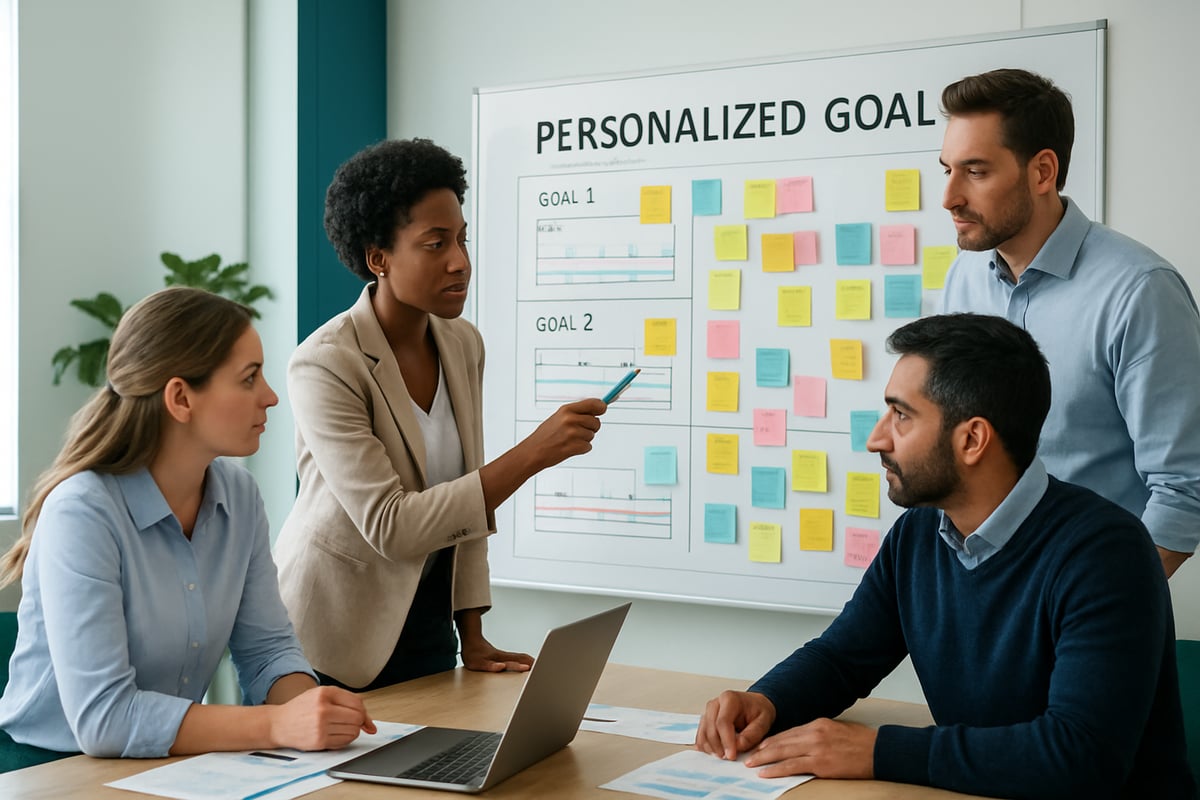
Success is no longer a one-size-fits-all concept. Your definition might include career growth, financial stability, improved health, or stronger relationships. These priorities shift as industries evolve and technology introduces new possibilities. For example, remote work is now common, and entire sectors are transforming to accommodate digital advancements.
Consider how your personalized objectives might differ from those of your peers. Some may focus on work-life balance, while others prioritize financial independence or lifelong learning. Data shows that individuals with a customized plan are better equipped to identify and seize new opportunities as they arise. This approach ensures that your goals remain relevant, even as the world changes.
Why Customization Matters
A customized plan addresses your individual strengths and challenges. It is designed to align with your unique circumstances, making it more practical and motivating than a generic template. One-size-fits-all strategies often fail because they ignore personal preferences and the realities of your daily life.
Take fitness as an example. Personalized routines are more likely to be maintained over time, compared to generic programs. The same principle applies to career and financial planning. Customization allows you to set realistic targets, allocate resources efficiently, and stay engaged throughout your journey.
The Risks of Generic Planning
Relying on a generic approach can lead to missed opportunities and misalignment with your values. When your plan does not reflect what truly matters to you, motivation drops and burnout becomes more likely. This disconnect often results in dissatisfaction, even if you achieve certain milestones.
A case study from the business world illustrates this point. Companies that implement individualized employee development plans see a 21% increase in productivity. The same benefits apply on a personal level. When your customized plan reflects your goals and values, you are more likely to stay committed and achieve meaningful progress.
Benefits of a Customized Plan
The advantages of a customized plan are clear. Motivation increases when you know your efforts align with your personal vision. Accountability is easier to maintain, as your plan sets specific, relevant targets. Flexibility is built in, allowing you to adapt as new challenges or opportunities emerge in 2026.
Research shows that customized planning delivers real results in various fields. For example, personalized care plans reduce ED visits and healthcare costs, demonstrating the power of tailored approaches. When your plan is built around your needs, you gain greater clarity and focus, making it easier to pursue and accomplish your objectives.
Key Elements of a Successful Customized Plan
Every effective customized plan shares several key characteristics. Start with self-awareness, taking time to understand your strengths, weaknesses, and motivations. Set clear, measurable goals that can be broken down into actionable steps. Regularly review your progress, making adjustments as needed to stay on track.
Finally, integrate both personal and professional aspirations into your customized plan. This holistic approach ensures that your roadmap supports all areas of your life, leading to sustainable success now and in the future.
Step 1: Self-Assessment and Vision Setting
Embarking on your journey toward a successful 2026 begins with a thorough self-assessment and clear vision setting. This foundational step ensures your customized plan reflects your true strengths, values, and ambitions.

Evaluating Your Current Situation
Start by examining where you stand today. An honest evaluation lays the groundwork for a customized plan that truly fits your needs. Use a SWOT analysis to outline your strengths, weaknesses, opportunities, and threats.
Consider leveraging personality assessments, skills inventories, and feedback from trusted peers. Digital self-assessment platforms can provide structured insights and help identify gaps or growth areas. For a more tailored approach, explore self-assessment for financial fitness to ensure your financial goals align with your broader objectives.
Remember, the more accurate your self-understanding, the more effective your customized plan will be. Take time to reflect on your current accomplishments and areas for development.
Clarifying Your Vision for 2026
Next, define what success means for you in 2026. Is it a promotion, financial independence, improved health, or deeper relationships? Visualization techniques, such as imagining your daily life in 2026, can make your goals more tangible.
Research indicates that visualization can improve goal achievement rates by 35 percent. Use vision boards, guided meditations, or detailed journaling to picture your ideal future. This clarity becomes the cornerstone of your customized plan, guiding every decision you make.
Make sure your vision encompasses both personal and professional aspirations. This creates a holistic target for your efforts.
Identifying Core Values and Motivations
Understanding your core values ensures alignment throughout your customized plan. Begin by ranking your top values – is integrity more important than innovation, or does work-life balance top your list?
Journaling and guided reflection exercises can reveal what truly motivates you. When your goals are rooted in personal meaning, you are more likely to stay committed and resilient.
A customized plan built on authentic motivations is more sustainable and satisfying. Regularly revisit your values to confirm they remain relevant as you grow.
Setting Long-Term and Short-Term Goals
With your vision and values defined, set specific goals that bridge today and your desired future. The SMART framework (Specific, Measurable, Achievable, Relevant, Time-bound) is invaluable for structuring both long-term and short-term objectives.
Differentiate between outcome goals (such as earning a certification) and process goals (like dedicating weekly time to study). For example, set milestones for each step in your personal development or career advancement.
A customized plan should contain both types of goals, ensuring progress is steady and measurable. Adjust your goals as life evolves, keeping your plan dynamic and responsive.
Prioritizing Goals for Maximum Impact
Not all goals carry equal weight. Prioritizing is essential to maximize the positive change from your customized plan. Evaluate which objectives will create the most meaningful impact, considering both feasibility and importance.
Balance ambition with realism. Create a shortlist of top priorities and sequence them logically. This approach prevents overwhelm and keeps your focus sharp.
Regularly review your priorities to ensure they remain aligned with your evolving vision. A customized plan thrives on adaptability and intentionality.
Step 2: Designing Your Strategic Roadmap
Designing your strategic roadmap is the heart of building a truly customized plan. It bridges the gap between your ambitions and the daily actions that drive you forward. This stage transforms vision into reality by breaking big ideas into achievable steps, aligning resources, and ensuring your approach is flexible enough to thrive in 2026.
Breaking Down Goals into Actionable Steps
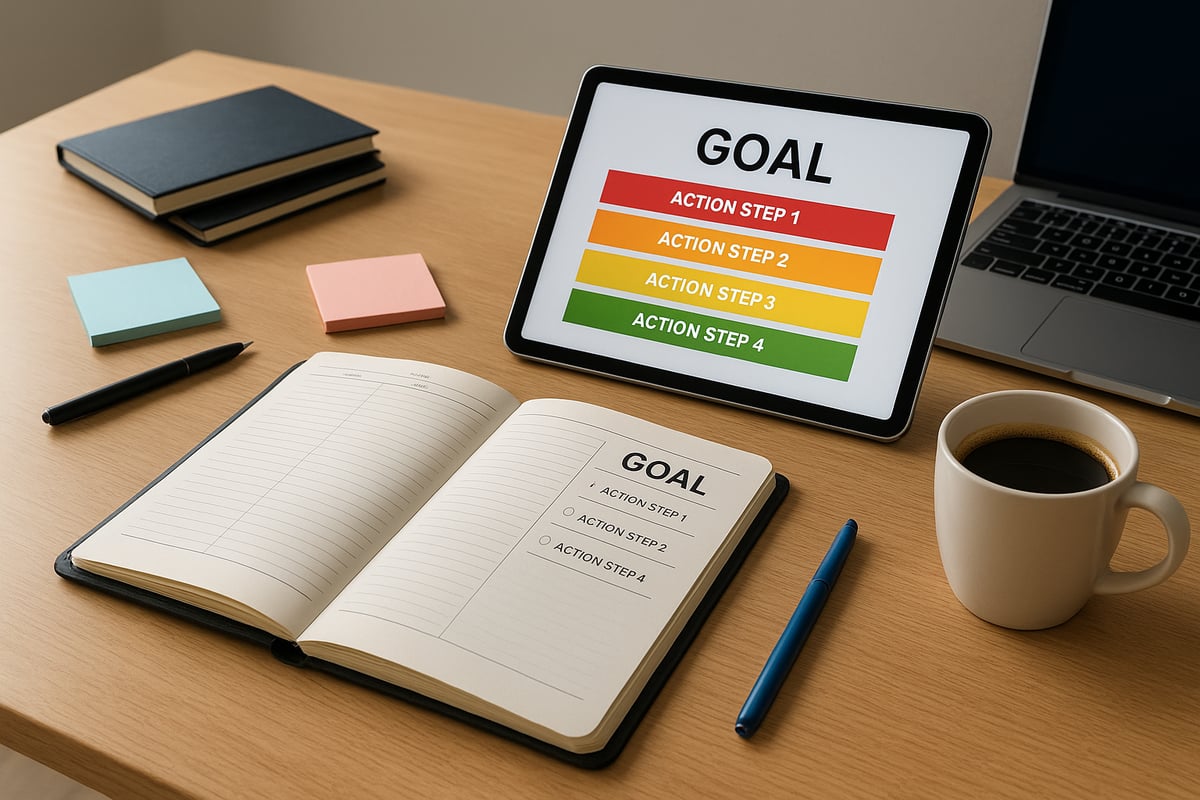
A customized plan starts by translating your long-term goals into smaller, manageable tasks. This approach makes even the most ambitious objectives feel within reach. Start by listing your primary goals for 2026, then break each into quarterly, monthly, and weekly milestones.
For example:
- Career growth: Divide into skills to acquire, networking events to attend, and certifications to pursue.
- Health: Set monthly fitness targets and track weekly habits.
- Finances: Outline savings goals and investment checkpoints.
By mapping out these steps, your customized plan provides clarity and a clear sense of direction. Remember, each small action contributes to your larger vision.
Allocating Resources Effectively
A successful customized plan depends on understanding and managing the resources available to you. This includes your time, finances, and support networks. Assess your current commitments and identify areas where you can dedicate more energy toward your highest priorities.
Consider this table for resource planning:
| Resource | Examples | Tools/Supports |
|---|---|---|
| Time | Weekly planning, time blocks | Calendar apps, time trackers |
| Finances | Budgeting, investments | Personalized financial planning services |
| Support | Mentors, accountability partners | Peer groups, coaching platforms |
Using resources wisely ensures your customized plan remains realistic and sustainable. Leveraging digital tools can help you maximize productivity and stay on track.
Building Accountability Structures
Accountability is a critical driver of progress in any customized plan. Establishing structures to keep yourself answerable improves your chances of reaching your goals. Consider partnering with a mentor, coach, or accountability buddy who understands your ambitions.
Key strategies include:
- Scheduling regular check-ins with peers or mentors
- Joining professional groups or online communities
- Setting up reminders and progress trackers
Studies show that accountability can increase goal achievement by up to 95 percent. By embedding this into your customized plan, you create a built-in support system for ongoing motivation.
Anticipating Obstacles and Planning Solutions
Every customized plan must address potential barriers. Anticipate challenges by brainstorming possible obstacles for each major goal. Then, create contingency plans to address setbacks without losing momentum.
For example:
- If a job search stalls, have alternative roles or industries in mind.
- For health setbacks, establish backup routines or support contacts.
A proactive approach ensures your customized plan is resilient. Planning ahead helps you pivot quickly and maintain progress, even when faced with uncertainty.
Integrating Flexibility into Your Plan
Adaptability is essential for any customized plan, especially as 2026 approaches with new trends and unexpected changes. Build flexibility into your roadmap by scheduling regular reviews and allowing for course corrections.
Ways to stay agile:
- Monthly or quarterly plan evaluations
- Open-mindedness toward new opportunities
- Willingness to adjust priorities as circumstances evolve
A flexible customized plan empowers you to respond confidently to shifts in your environment. This agility keeps your journey toward success on course, regardless of what the future holds.
Step 3: Execution—Putting Your Customized Plan into Action
Turning your customized plan into action is where real transformation begins. Consistent execution, supported by practical routines, technology, motivation, collaboration, and resilience, bridges the gap between planning and achieving your goals. This step ensures your ambitions for 2026 translate into measurable progress.
Establishing Daily and Weekly Routines
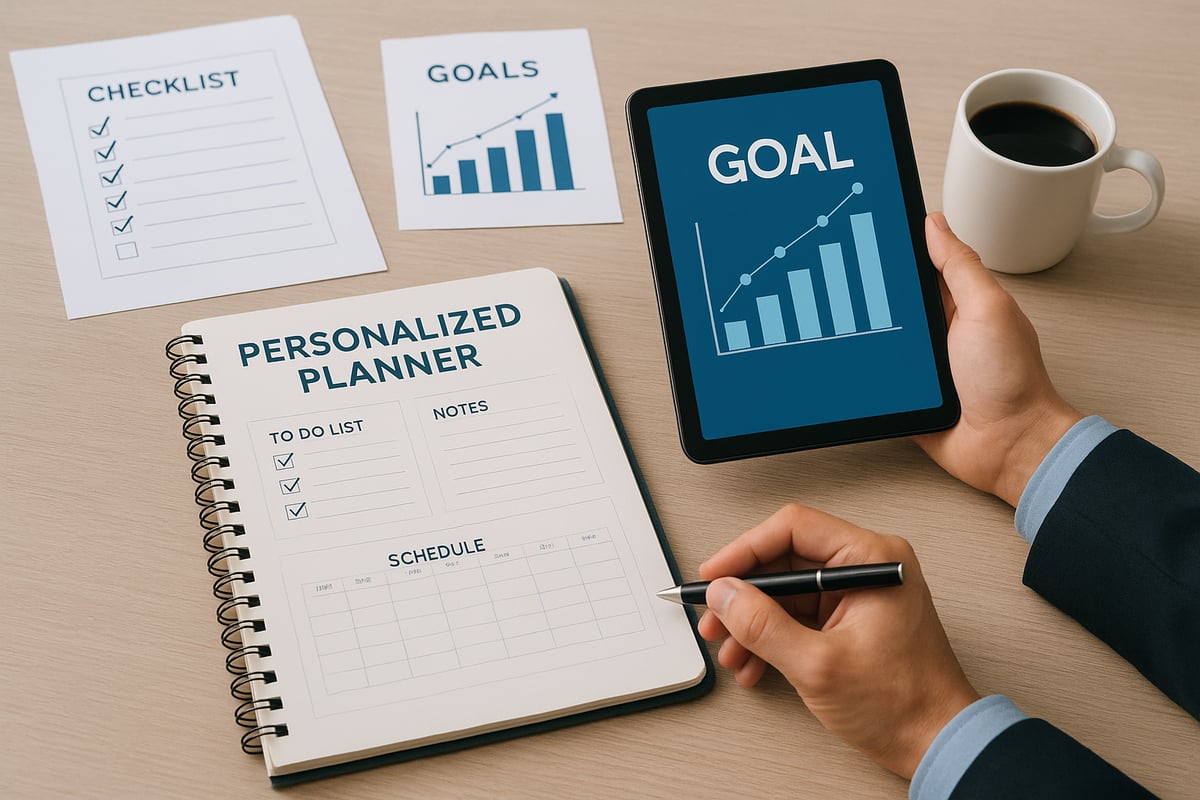
A customized plan is only as strong as the habits that support it. Create daily and weekly routines that align with your goals. Morning rituals, scheduled work blocks, and end-of-week reviews provide structure.
- Set aside time each morning to review priorities.
- Use habit trackers to monitor consistency.
- Schedule weekly check-ins to adjust and celebrate progress.
These routines make your customized plan actionable and sustainable. Over time, small, consistent actions lead to significant achievements.
Leveraging Technology and Tools
Technology streamlines the execution of your customized plan. Productivity apps, digital planners, and goal-tracking software help you stay organized and measure progress.
Consider using:
- Calendar apps for scheduling tasks and reminders.
- Project management tools to break down large goals.
- Habit tracking platforms to visualize progress.
Research shows that 68% of high achievers use digital tools to monitor their growth. Select tools that integrate smoothly with your customized plan, making it easier to adapt as your needs evolve.
Building and Sustaining Motivation
Motivation is a cornerstone of sticking with your customized plan. Tap into intrinsic motivators by connecting daily tasks to your core values and long-term vision.
Effective techniques include:
- Setting up a reward system for milestones.
- Celebrating small wins to maintain momentum.
- Using gamification elements, such as points or badges, to make progress engaging.
Regularly revisit your reasons for pursuing your customized plan. This reflection will help overcome periods of low energy and keep your enthusiasm high.
Seeking Support and Collaboration
No customized plan is built in isolation. Seek out accountability partners, mentors, or professional networks to provide guidance and encouragement. Collaboration multiplies your efforts and keeps you accountable.
According to industry studies, companies with individualized development plans see higher productivity. Accountability is also a key element of effective goal pursuit. For a deeper understanding, explore the Importance of fiduciary planning, which highlights how personalized planning and accountability drive sustained progress.
Engage with communities or peer groups who share similar objectives. Their feedback and support will help you stay on track with your customized plan.
Managing Setbacks and Staying Resilient
Setbacks are inevitable on any journey. The strength of your customized plan lies in its ability to help you adapt and bounce back. When obstacles arise, treat them as learning opportunities.
Strategies to maintain resilience include:
- Practicing mindfulness and stress management.
- Reflecting on setbacks to identify lessons learned.
- Adjusting your approach without losing sight of your vision.
Resilience ensures that your customized plan remains effective, even when faced with unexpected challenges. With each hurdle, your ability to adapt improves, setting you up for ongoing success.
Step 4: Monitoring, Measuring, and Adapting Your Plan
Monitoring and adapting your customized plan is essential for real progress. The world of 2026 will reward those who track results, reflect honestly, and pivot with intention. By following a structured review process, you can ensure your efforts remain aligned with your evolving definition of success.
Tracking Progress Against Milestones
Consistent tracking of your customized plan keeps you focused and accountable. Use measurable milestones and key performance indicators (KPIs) for each major goal. Digital tools like progress dashboards, habit trackers, or even simple spreadsheets can help visualize your journey.
To make this easier, break your plan into smaller tasks with clear deadlines. Review your progress weekly to ensure you are moving forward. Consider using a table to compare achieved milestones with upcoming targets:
| Milestone | Status | Deadline |
|---|---|---|
| Skill Certification | Completed | May 2026 |
| Networking Events | In Progress | July 2026 |
| Financial Goal | Upcoming | Dec 2026 |
Checking off each milestone builds momentum and keeps your customized plan on track.
Reviewing and Reflecting Regularly
Regular reflection allows you to assess what is working within your customized plan and where you may need adjustments. Set aside time each month or quarter for a structured review. Use prompts such as: What progress have I made? What challenges did I encounter? Did my actions align with my core values?
Research shows that frequent, focused goal setting and reflective strategies improve outcomes in personal development. In fact, approaches like goal setting and strategies in adult rehabilitation highlight the importance of reviewing progress to sustain motivation and adapt effectively.
Reflection is not just about looking back—it is about informing your next steps.
Making Data-Driven Adjustments
Adapting your customized plan based on data ensures your efforts remain effective. Analyze your results using the metrics and KPIs you established. If you notice that certain strategies are not delivering the expected outcomes, do not hesitate to pivot.
For example, if you are not meeting your financial milestones, reassess your budgeting or investment approach. Utilize resources like making effective financial decisions to guide your evaluation and help you customize your next moves.
Data-driven adjustments keep your plan responsive and relevant as your circumstances evolve.
Celebrating Achievements and Learning from Shortfalls
Recognizing your achievements is crucial for maintaining motivation in your customized plan. Celebrate each milestone, no matter how small. Acknowledge the effort and learning that got you there.
When you fall short of a target, take time to analyze why. What obstacles did you face? What can you do differently next time? Use these insights to strengthen your future approach.
Celebration and honest evaluation form a feedback loop that propels you toward your 2026 vision.
Staying Agile in a Changing World
Agility is vital for a customized plan that endures. The landscape of 2026 will continue to shift, bringing new opportunities and challenges. Stay informed about trends in your industry, technology, and personal interests.
Be ready to adjust your goals and strategies as needed. This might mean re-skilling, exploring new career avenues, or shifting personal priorities. Staying agile ensures your customized plan remains a living document, guiding you through change rather than holding you back.
Adaptability is the hallmark of lasting success.
Step 5: Sustaining Success Beyond 2026
Achieving your goals in 2026 is a significant milestone, but true success comes from sustaining momentum long after. A customized plan is not just a one-time effort—it is a living framework that supports growth and adaptation as your ambitions evolve. This step will help you build habits, anticipate changes, and leverage resources to ensure your achievements last well into the future.
Building Habits for Long-Term Growth
The foundation of lasting achievement is habit formation. With a customized plan, you can systematically introduce routines that reinforce your goals. Start by identifying daily or weekly actions that align with your vision. For example, setting aside time each week for skill development or reflection helps keep your progress on track.
Consider using habit trackers or setting reminders to strengthen consistency. Over time, these small actions become automatic, supporting your customized plan even when motivation fluctuates. Lifelong learning, regular exercise, or dedicated networking time are examples of habits that drive sustained growth.
Future-Proofing Your Plan
A customized plan should not only help you reach your current goals but also prepare you for the unexpected. The future is uncertain—65% of today’s students will eventually work in jobs that do not yet exist, according to the World Economic Forum. To stay ahead, build adaptability into your planning process.
Leverage new technologies and stay informed about industry trends. For instance, exploring AI-driven personalized learning and leadership traits can help you anticipate the skills and leadership qualities that will be valuable in the coming years. Regularly revisiting your customized plan ensures it evolves with your changing environment and ambitions.
Expanding Your Vision and Raising the Bar
Once you achieve initial milestones, it is important to set new challenges. A customized plan makes it easier to expand your vision, whether that means aiming for higher professional roles or making a broader impact on your community.
Reflect on your accomplishments and identify areas where you can push your boundaries. For example, after reaching a personal development goal, you might shift focus to mentoring others or leading new projects. Continually raising the bar keeps your customized plan dynamic and engaging.
Cultivating Resilience and Adaptability
Long-term success requires more than just ambition—it demands resilience and a willingness to adapt. Incorporate strategies like mindfulness, stress management, and maintaining a growth mindset into your customized plan.
When setbacks occur, use them as learning opportunities. Analyze what went wrong, adjust your approach, and stay committed to your long-term vision. This mindset not only helps you recover from challenges but also prepares you for future disruptions, making your customized plan a reliable guide through changing circumstances.
Leveraging Networks and Resources for Continuous Improvement
No one achieves lasting success alone. Engaging with mentors, joining professional communities, and seeking constructive feedback are crucial parts of a customized plan. These networks provide fresh perspectives, accountability, and opportunities for collaboration.
Regularly connect with peers or industry groups to exchange insights and stay motivated. Embracing new resources, such as digital platforms or AI-driven learning tools, can accelerate your growth and keep your customized plan relevant as you move beyond 2026.
