
In a rapidly shifting financial world, concerns about trust, transparency, and performance are top of mind for investors. As we approach 2026, fiduciary investment guidance has become essential for those seeking to safeguard and grow their wealth. This guide aims to demystify the core elements of fiduciary investment, giving readers the tools to make informed, ethical, and future-ready decisions. You will discover what sets the fiduciary standard apart as the gold standard in investment advice, learn about the latest regulatory updates, and gain actionable strategies to navigate evolving markets. Leverage fiduciary expertise to secure your financial future.
Understanding the Fiduciary Standard
Fiduciary investment is a cornerstone of ethical financial guidance, providing investors with confidence that their interests come first. In a crowded landscape of advice, understanding what sets fiduciary investment apart is essential for anyone seeking to protect and grow their wealth responsibly.

Definition and Core Principles
A fiduciary is legally and ethically bound to act solely in a client's best interest when giving investment advice. This obligation is at the heart of fiduciary investment, distinguishing it from the more lenient suitability standard, which only requires recommendations to be “suitable,” not necessarily optimal.
Key principles of fiduciary investment include:
- Loyalty: Advisors must prioritize client interests above their own.
- Prudence: Decisions must be made with care, skill, and diligence.
- Full disclosure: All material facts, fees, and potential conflicts must be clearly communicated.
- Conflict avoidance: Advisors are required to identify and manage conflicts transparently.
Consider real-world breaches, such as hidden commissions or undisclosed fees, which can erode trust and result in regulatory penalties. Transparency and accountability are not just ideals; they are mandatory for those upholding the fiduciary investment standard.
Types of Fiduciaries in Investment
Several professionals may serve as fiduciaries in the investment world. Registered Investment Advisors (RIAs) take on fiduciary responsibilities by law, while trustees and plan sponsors must act with the same level of care when managing assets on behalf of others.
Other fiduciary investment roles include:
- Trustees: Oversee and manage trust assets according to legal documents and beneficiaries’ best interests.
- Plan sponsors: Manage employer-sponsored retirement plans, ensuring compliance and participant benefit.
- Investment committee members: Oversee institutional portfolios, such as endowments or pensions.
Fiduciary status is determined by legal definitions, regulatory oversight, and the structure of the client-advisor relationship. Not all financial professionals are fiduciaries, so it is crucial for investors to verify the standard their advisor follows.
Benefits of Working with a Fiduciary
Choosing a fiduciary investment advisor offers significant advantages. The relationship is built on trust, as clients know their goals drive every recommendation. This alignment reduces the risk of conflicts of interest, since compensation structures are designed to minimize incentives for biased advice.
Studies have shown that fiduciary investment advisors often achieve better long-term outcomes for clients, thanks to disciplined processes and objective decision-making. For example, clear written investment policies, transparent fee disclosures, and regular performance reviews are hallmarks of a client-centric approach.
Fiduciary advisors also prioritize education and communication. They provide clients with understandable reports and updates, empowering informed decision-making. If you are interested in learning more about how this approach can be tailored to your needs, you can explore Fiduciary Planning Strategies for deeper insights.
Ultimately, fiduciary investment is about safeguarding your financial future through ethical, transparent, and accountable practices. By choosing the right professional, you position yourself for greater confidence and security in every financial decision.
Key Regulatory Changes Impacting Fiduciary Investment in 2026
The landscape for fiduciary investment is rapidly shifting as 2026 approaches. New regulations, expanded definitions, and evolving standards are reshaping how advisors serve clients. Understanding these changes is crucial for anyone seeking to protect their wealth and ensure ethical investment practices.

Recent and Upcoming Regulations
2026 brings significant regulatory updates that impact fiduciary investment. The Securities and Exchange Commission (SEC) and Department of Labor (DOL) have issued new rules that broaden the scope of who qualifies as a fiduciary. Advisors now face stricter requirements regarding loyalty, prudence, and transparency.
One of the most notable changes is the expansion of the fiduciary definition to cover more types of financial professionals and advice scenarios. This means more advisors must act in the best interest of their clients when providing fiduciary investment advice. Enhanced disclosure requirements demand that advisors clearly communicate fees, conflicts of interest, and compensation structures to clients.
Additionally, the DOL's updated rules set a higher bar for best interest standards, especially in relation to retirement accounts and rollovers. For a comprehensive overview, see the DOL’s 2024 Final Rule on Investment Advice. These changes aim to align advisor practices with the evolving needs of investors in a complex market.
Implications for Investors and Advisors
The new regulatory environment has far-reaching implications for both investors and advisors engaged in fiduciary investment. Advisors must adjust their compensation models and service delivery to ensure they meet the latest transparency and compliance standards.
For investors, these changes bring greater protection and clarity. Retirement accounts, rollovers, and employer-sponsored plans now fall under stricter oversight. Investors should verify that their advisors are adhering to the updated fiduciary investment rules by asking for clear disclosures and documented compliance measures.
Key steps for investors include:
- Requesting written explanations of fee structures
- Confirming the advisor’s fiduciary status and certifications
- Reviewing all disclosures for potential conflicts
By proactively engaging with these regulatory changes, investors can better safeguard their interests and ensure alignment with long-term financial goals.
Trends in Enforcement and Litigation
Enforcement actions related to fiduciary investment have increased in recent years. Regulators are focusing on areas such as fee disclosure, conflict management, and the distinction between suitability and fiduciary duties.
Recent statistics show a rise in investigations and penalties for breaches of fiduciary standards. Common issues include advisors failing to disclose compensation arrangements or not managing conflicts of interest effectively. High-profile cases have highlighted the importance of robust compliance programs and transparent client communication.
The industry’s response to these trends involves enhanced documentation, regular audits, and ongoing staff education. These steps help advisors and firms reduce the risk of costly litigation and maintain trust with clients.
Evolving Industry Standards
Beyond regulatory mandates, the fiduciary investment sector is embracing higher industry standards. Voluntary certifications and continuing education are on the rise, reflecting a commitment to professionalism and ethical conduct.
Environmental, Social, and Governance (ESG) considerations now play a larger role in fiduciary investment practices. Advisors increasingly integrate ESG factors into their due diligence and portfolio construction, aligning with investor preferences and regulatory expectations.
Technology is also reshaping compliance. Digital platforms streamline disclosure processes, automate monitoring, and facilitate transparent reporting. These tools help advisors uphold their fiduciary investment obligations while delivering a seamless client experience.
By staying informed about these evolving standards, both investors and advisors position themselves for success in a dynamic regulatory landscape.
Core Principles of Fiduciary Investment Management
Navigating the complexities of fiduciary investment requires a clear understanding of its foundational principles. These core elements ensure your portfolio is managed with your best interests in mind, setting the stage for long-term financial health and peace of mind.

Investment Policy and Asset Allocation
A written investment policy statement (IPS) is essential for any fiduciary investment strategy. The IPS outlines your objectives, risk tolerance, and time horizon, creating a roadmap that guides every decision.
Asset allocation is the backbone of your portfolio. It involves dividing investments among asset classes based on your goals and risk profile. A well-constructed IPS ensures your allocations remain aligned with your evolving needs.
Best practices include:
- Defining specific, measurable objectives
- Setting clear rebalancing guidelines
- Reviewing the IPS annually
Sample IPS templates can help standardize the process and foster disciplined fiduciary investment management.
Due Diligence and Ongoing Monitoring
Thorough due diligence is a hallmark of fiduciary investment management. Advisors must research and vet every investment option, ensuring each selection fits your IPS and risk tolerance.
Ongoing monitoring is just as critical. Regular reviews assess performance, identify underperformers, and prompt timely rebalancing. Documentation of all decisions is required to demonstrate a prudent process.
For a deeper dive into how due diligence shapes fiduciary investment outcomes, see Investment Advice and Due Diligence.
This commitment to vigilance protects your interests and supports informed fiduciary investment decisions throughout the relationship.
Transparency in Fees and Compensation
A transparent fee structure is a cornerstone of fiduciary investment. Advisors typically charge based on assets under management (AUM), flat fees, or hourly rates.
| Fee Structure | Description | Transparency Level |
|---|---|---|
| AUM | Percentage of assets managed | High |
| Flat Fee | Fixed annual or monthly amount | High |
| Hourly | Billed per hour of service | High |
To avoid hidden costs, always request a detailed fee breakdown. Compare clear disclosures with opaque ones to ensure you understand exactly what you are paying for. This level of transparency builds trust and aligns the fiduciary investment process with your interests.
Conflict of Interest Management
Effective conflict management is vital in fiduciary investment. Advisors must identify and disclose all potential conflicts, such as relationships with product providers or compensation incentives.
Strategies to mitigate conflicts include:
- Full disclosure of relationships and compensation
- Avoiding commission-based products
- Regular compliance reviews
Case studies reveal that proactive conflict management helps maintain objectivity and upholds fiduciary duties. By addressing these issues head-on, advisors reinforce the integrity of the fiduciary investment process.
Client Education and Communication
Ongoing education is a key pillar of fiduciary investment management. Advisors should provide regular, understandable reports and initiate proactive communication.
Empowering clients means:
- Explaining concepts in plain language
- Sharing timely market updates
- Offering educational resources
This approach not only keeps you informed, it also builds confidence in the fiduciary investment process. Transparent, two-way communication ensures your evolving goals are always at the forefront.
Step-by-Step Guide: How to Work with a Fiduciary Advisor in 2026
Navigating the process of selecting and working with a fiduciary advisor can transform your fiduciary investment experience. By following a structured approach, you can ensure your financial goals are prioritized, your interests are protected, and your investment journey is transparent and collaborative.
Finding and Vetting a Fiduciary Advisor
The first step in your fiduciary investment journey is to identify qualified advisors who are legally bound to put your interests first. Start your search on trusted platforms such as the SEC’s Investment Adviser Public Disclosure database, the CFP Board, or NAPFA.
Look for credentials like CFP (Certified Financial Planner), CFA (Chartered Financial Analyst), or CIMA (Certified Investment Management Analyst). These designations demonstrate a commitment to fiduciary standards and ongoing education. For a deeper understanding of independent advisors’ responsibilities, review the Registered Investment Advisors Explained resource.
Key questions to ask potential advisors include:
- Are you always acting as a fiduciary?
- How are you compensated?
- What conflicts of interest might exist?
- Can you provide references or client testimonials?
Evaluating these factors helps ensure your fiduciary investment decisions are based on trust, transparency, and alignment with your objectives.
Initial Consultation and Goal Setting
Your initial meeting with a fiduciary advisor is foundational for a successful fiduciary investment partnership. Expect a detailed conversation about your financial history, current assets, liabilities, and future aspirations.
The advisor will guide you through a discovery process, helping clarify your short and long term goals. Topics will include retirement planning, education funding, risk tolerance, and any unique financial constraints. Honest dialogue is essential for building a clear picture of your needs.
A comprehensive risk profile will be developed, ensuring your fiduciary investment strategy is tailored to your comfort with volatility and loss. This stage sets the framework for all future planning and recommendations.
Developing Your Investment Plan
Collaboration is key when crafting your personalized investment plan. Your advisor will work with you to draft a formal Investment Policy Statement (IPS), which outlines your objectives, asset allocation targets, and risk parameters.
Choosing the right mix of investments is crucial for effective fiduciary investment management. You will discuss asset classes, diversification strategies, and select investment vehicles that align with your IPS. Benchmarks will be set to measure progress and performance, providing clear expectations for both parties.
Your advisor will document every step, ensuring transparency and accountability throughout the process. This collaborative approach builds confidence in your fiduciary investment journey.
Ongoing Relationship and Reviews
A hallmark of strong fiduciary investment practice is regular, proactive communication. Schedule periodic check-ins to review your portfolio’s performance, discuss any changes in your circumstances, and adjust strategies as needed.
Expect detailed reports and clear explanations of any recommendations or adjustments. Your advisor should document all meetings and advice, ensuring a transparent record of your fiduciary investment progress.
This ongoing partnership ensures your plan stays aligned with your goals, market conditions, and regulatory changes. Staying engaged and informed protects your interests and supports long term success.
Working with a Virtual-First Fiduciary: Brookwood Investment Group
Brookwood Investment Group exemplifies a modern, virtual-first approach to fiduciary investment advice. Their model combines nationwide accessibility with a commitment to personalized planning and client education.
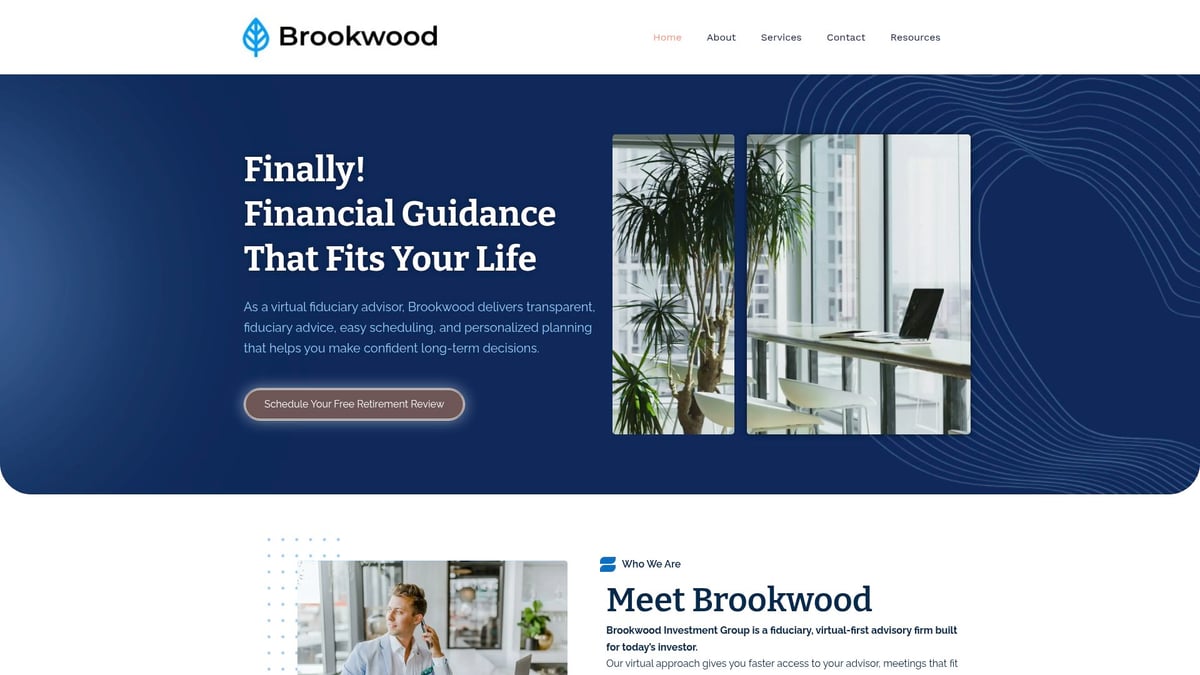
Clients benefit from transparent fee structures, no asset minimums, and flexible digital tools that make scheduling and communication seamless. Brookwood’s team prioritizes tailored strategies, ongoing support, and clear reporting, empowering clients to make well informed fiduciary investment decisions.
By emphasizing education and proactive engagement, Brookwood helps investors build confidence and resilience in a rapidly changing financial landscape.
Adapting Fiduciary Investment Strategies for 2026 and Beyond
Staying ahead in fiduciary investment requires a proactive approach as new trends and challenges emerge. The landscape in 2026 is shaped by market volatility, evolving regulations, and the growing demand for responsible investing. To thrive, investors and advisors must adapt strategies with agility, transparency, and a focus on long-term goals.
Navigating Market Volatility and Economic Shifts
Market volatility remains a defining feature for fiduciary investment in 2026. Advisors and clients alike must contend with global uncertainties, inflationary pressures, and unpredictable interest rates. The key to stability is diversification, with portfolios constructed to weather downturns and seize opportunities in varied asset classes.
Scenario planning is essential. By evaluating multiple economic outcomes, fiduciary investment professionals can adjust allocations in real time. Data from the XPS Fiduciary Manager Review 2024 highlights how diversified portfolios managed under fiduciary standards have demonstrated resilience, especially during periods of heightened volatility.
Historical analysis shows that disciplined, fiduciary investment strategies outperform reactive approaches. Regular reviews and stress tests help identify weaknesses before they become problems. By maintaining a long-term focus and avoiding emotional decisions, both advisors and clients protect their interests and position themselves for recovery.
Incorporating ESG and Responsible Investing
Environmental, social, and governance (ESG) principles are now integral to fiduciary investment. Investors increasingly expect their portfolios to align with personal values and societal goals. Fiduciaries are responsible for evaluating ESG risks and opportunities, ensuring these factors are considered alongside traditional financial metrics.
Tools like ESG ratings, impact assessment frameworks, and sustainability reports can help fiduciary investment professionals integrate responsible investing into client strategies. For example, incorporating companies with strong governance and environmental practices may reduce risk and enhance long-term returns.
Advisors must communicate openly about how ESG considerations influence portfolio decisions. This transparency builds trust and demonstrates a commitment to acting in the client's best interest.
Leveraging Technology and Digital Tools
Technology has become a cornerstone for modern fiduciary investment. Digital dashboards, robo-advisors, and AI-driven analytics empower advisors to deliver personalized, data-driven recommendations. These tools also facilitate real-time reporting and seamless communication with clients.
Enhanced transparency is a major benefit. Clients can access up-to-date performance data, fee disclosures, and risk profiles at any time. Fiduciary investment advisors use digital workflows to automate compliance checks and monitor portfolio alignment with stated goals.
However, technology must be implemented thoughtfully. Fiduciaries are responsible for ensuring that digital solutions maintain privacy, accuracy, and adherence to regulatory standards. Ongoing training and due diligence are essential to uphold the fiduciary investment standard in a digital-first environment.
Preparing for Regulatory and Tax Changes
Regulatory shifts are reshaping fiduciary investment in 2026. New laws and updates to existing frameworks, such as those detailed in the 2026 ERISA Compliance Handbook, require advisors to stay vigilant. Proactive adaptation is crucial for maintaining compliance and protecting client interests.
Tax policies may also evolve, impacting investment returns and planning strategies. Fiduciary investment professionals must incorporate tax efficiency into portfolio construction and recommend adjustments as laws change. This could include tax-loss harvesting, asset location optimization, or reviewing retirement plan contributions.
Clients benefit from regular compliance reviews and transparent communication about regulatory impacts. Advisors who stay informed and flexible can help clients navigate change without unnecessary disruption.
Building Financial Resilience for the Future
Long-term financial resilience is the ultimate goal of fiduciary investment. This involves more than just portfolio management; it requires continuous education, disciplined habits, and adaptive planning. Advisors play a key role in empowering clients to make informed decisions, especially as new challenges arise.
Resources such as industry publications, webinars, and workshops keep both advisors and investors up to date on best practices. Encouraging a mindset of patience and adaptability helps clients remain committed to their goals, even during turbulent periods.
By fostering open communication and prioritizing education, fiduciary investment professionals help clients build the confidence needed to withstand uncertainty and achieve lasting financial well-being.
