
The investment landscape has transformed dramatically over the past decade, with technology reshaping how individuals build wealth and manage portfolios. Automated investment platforms have emerged as a compelling option for investors seeking professional portfolio management without the traditional costs associated with personalized advisory services. These platforms combine sophisticated algorithms with modern portfolio theory to deliver diversified investment strategies accessible to investors at various wealth levels. Understanding how these platforms work, their advantages, limitations, and ideal use cases can help you determine whether this approach aligns with your financial goals.
Understanding Automated Investment Platforms
When you invest with a robo advisor, you're utilizing algorithm-driven platforms that construct and manage investment portfolios with minimal human intervention. These digital platforms typically begin by assessing your financial situation through a series of questions about your age, income, risk tolerance, and investment objectives. Based on your responses, the platform generates a recommended asset allocation across various investment vehicles, primarily low-cost exchange-traded funds and index funds.
The technology behind these platforms employs modern portfolio theory principles to optimize the balance between expected returns and risk. Most automated advisors use passive investment strategies that track market indices rather than attempting to outperform them through active management. This approach keeps costs low while maintaining broad market exposure.
Core Features and Functionality
Automated investment platforms typically offer several standard features that form the foundation of their service offerings:
- Automatic portfolio rebalancing to maintain target asset allocations as market values fluctuate
- Tax-loss harvesting strategies to offset capital gains and potentially reduce tax liabilities
- Dividend reinvestment programs that automatically purchase additional shares
- Goal-based planning tools that help investors visualize progress toward specific objectives
- Low minimum investment requirements making entry accessible to new investors
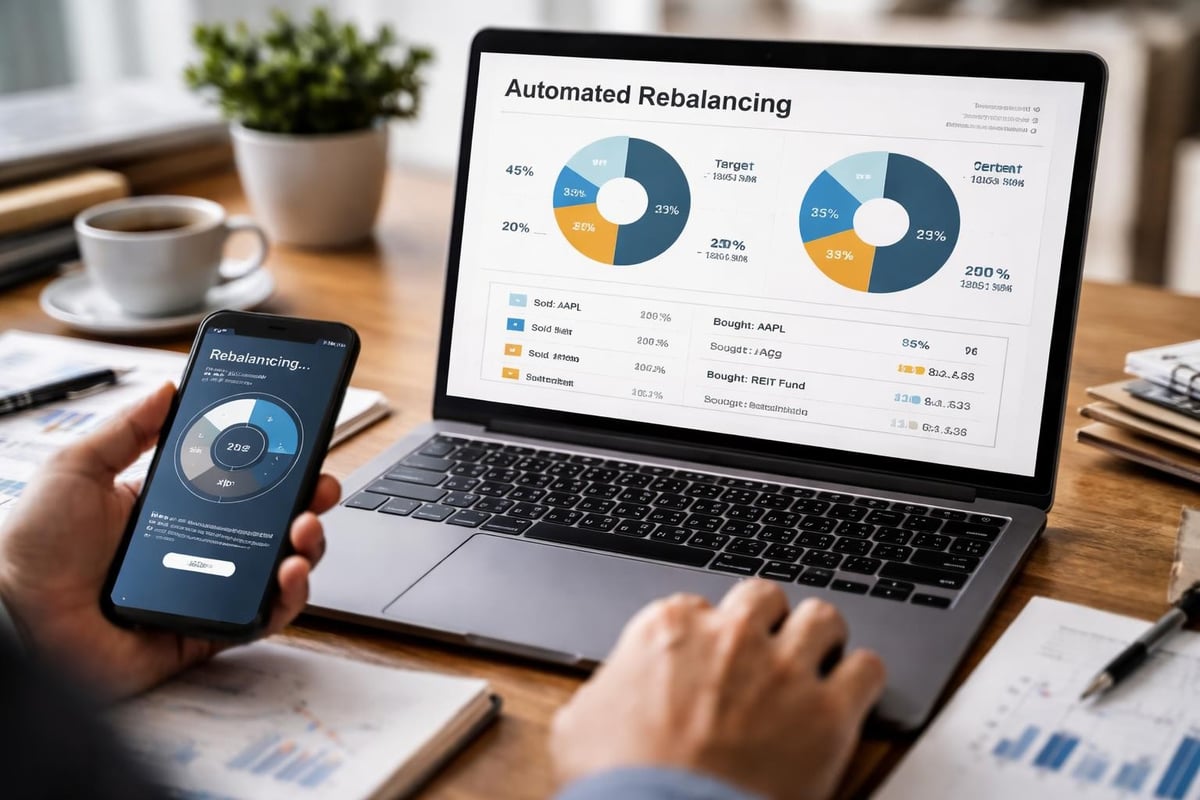
The automation extends beyond initial portfolio construction. These platforms continuously monitor your investments, executing trades when necessary to maintain your desired asset allocation. When certain holdings grow disproportionately or decline relative to others, the system automatically buys or sells to restore balance without requiring your intervention or decision-making.
Cost Structures and Fee Comparisons
One of the most compelling reasons to invest with a robo advisor involves the cost advantage over traditional advisory relationships. Most automated platforms charge annual management fees ranging from 0.25% to 0.50% of assets under management, significantly lower than the typical 1% to 2% charged by traditional financial advisors.
| Service Type | Typical Annual Fee | Minimum Investment | Human Interaction |
|---|---|---|---|
| Pure Robo-Advisor | 0.25% – 0.50% | $0 – $500 | Limited/None |
| Hybrid Advisor | 0.40% – 0.85% | $5,000 – $25,000 | Scheduled access |
| Traditional Advisor | 1.00% – 2.00% | $100,000+ | Comprehensive |
| Self-Directed Brokerage | $0 (trading fees may apply) | $0 | None |
Beyond management fees, investors should consider the underlying fund expenses. Understanding what robo-advisors offer includes recognizing that the ETFs and index funds used typically carry expense ratios between 0.05% and 0.25% annually. When combined with platform fees, total costs generally remain below 0.75% per year.
These savings accumulate substantially over time. On a $100,000 portfolio, the difference between a 0.35% robo-advisor fee and a 1.50% traditional advisor fee amounts to $1,150 annually. Compounded over decades, this differential can represent tens of thousands of dollars in additional portfolio growth.
Hidden Costs to Consider
While advertised fees appear straightforward, investors should examine the complete cost picture:
- Account minimums that may exclude smaller investors from certain platforms or features
- Premium tier pricing for access to human advisors or specialized strategies
- Fund expense ratios that vary based on the specific ETFs selected
- Trading costs embedded in fund operations and rebalancing activities
- Tax implications from portfolio turnover and rebalancing frequency
Advantages of Automated Investing
The decision to invest with a robo advisor offers several distinct benefits beyond cost savings. Accessibility ranks high among these advantages. Many platforms require no minimum investment or set minimums as low as $100, democratizing access to professionally managed portfolios previously available only to wealthy individuals.
Emotional discipline represents another significant benefit. Human investors frequently make poor decisions driven by fear during market downturns or greed during rallies. Automated platforms execute strategies consistently without emotional interference, maintaining allocations through market volatility and avoiding panic-driven selling that erodes long-term returns.
Tax Optimization Strategies
Sophisticated robo-advisors implement tax-loss harvesting techniques that identify losing positions and sell them to offset realized gains elsewhere in your portfolio. The proceeds immediately purchase similar but not identical securities to maintain market exposure while capturing the tax benefit. This strategy, previously available primarily through high-end wealth management services, can add 0.50% to 1.00% in annual after-tax returns.
The platforms monitor accounts daily for harvesting opportunities, executing far more trades than a human advisor would practically manage. Some systems even perform asset location optimization, strategically placing tax-inefficient investments in retirement accounts while holding tax-efficient assets in taxable accounts.

Limitations and Considerations
Despite their advantages, automated platforms cannot address every investment need. Complex financial situations involving business ownership, significant real estate holdings, stock options, or multi-generational wealth transfer often require nuanced strategies beyond algorithmic capabilities. The platforms excel at straightforward portfolio management but lack the judgment necessary for comprehensive financial planning.
Human interaction, while available on some platforms, typically occurs on a limited basis. You may receive scheduled calls with advisors quarterly or access to financial planners for specific questions, but the relationship differs substantially from ongoing partnerships with fiduciary advisory services that provide holistic guidance.
Situations Where Automation Falls Short
Certain circumstances demand personalized attention that algorithms cannot provide:
- Concentrated stock positions requiring specialized diversification strategies
- Inheritance planning involving trusts, estate considerations, and beneficiary coordination
- Career transitions affecting retirement timing, healthcare coverage, and income stability
- Business succession planning for entrepreneurs and company owners
- Charitable giving strategies maximizing tax efficiency and philanthropic impact
Investors navigating these complex scenarios benefit from comprehensive financial planning and investment management that integrates multiple disciplines including tax strategy, estate planning, and risk management.
Hybrid Advisory Models
Recognizing that many investors desire elements of both automated efficiency and human guidance, hybrid adviser services have emerged as a middle ground. These platforms combine algorithm-driven portfolio management with access to human financial advisors for consultations, planning sessions, and strategic guidance.
Hybrid models typically structure themselves in one of several ways:
| Hybrid Model Type | Technology Component | Human Component | Typical Cost |
|---|---|---|---|
| Tech-Primary | Full automated portfolio management | On-demand advisor access | 0.40% – 0.60% |
| Balanced | Automated implementation | Regular planning meetings | 0.60% – 0.85% |
| Advisor-Primary | Technology-assisted tools | Dedicated advisor relationship | 0.75% – 1.25% |
These services appeal to investors who appreciate the cost efficiency and consistency of automated investing but want the option to consult with professionals about significant financial decisions. The human advisors typically hold credentials such as Certified Financial Planner (CFP) designations and can address questions beyond basic portfolio management.
Evaluating Hybrid Platforms
When considering hybrid services, examine the scope and quality of human interaction offered:
- How frequently can you access advisors?
- Are advisors assigned to your account or shared across many clients?
- What topics do advisor consultations cover versus restrict?
- Do advisors provide comprehensive planning or only investment guidance?
- Are the advisors fiduciaries obligated to act in your best interest?
The value proposition strengthens when platforms provide meaningful access to credentialed professionals who understand your complete financial picture, not merely your investment portfolio.
Portfolio Strategies and Investment Approaches
When you invest with a robo advisor, the platform typically implements one of several established investment philosophies. Most utilize passive indexing strategies based on modern portfolio theory, constructing portfolios from broad market index funds representing various asset classes including domestic stocks, international equities, bonds, and sometimes alternative investments like real estate investment trusts.
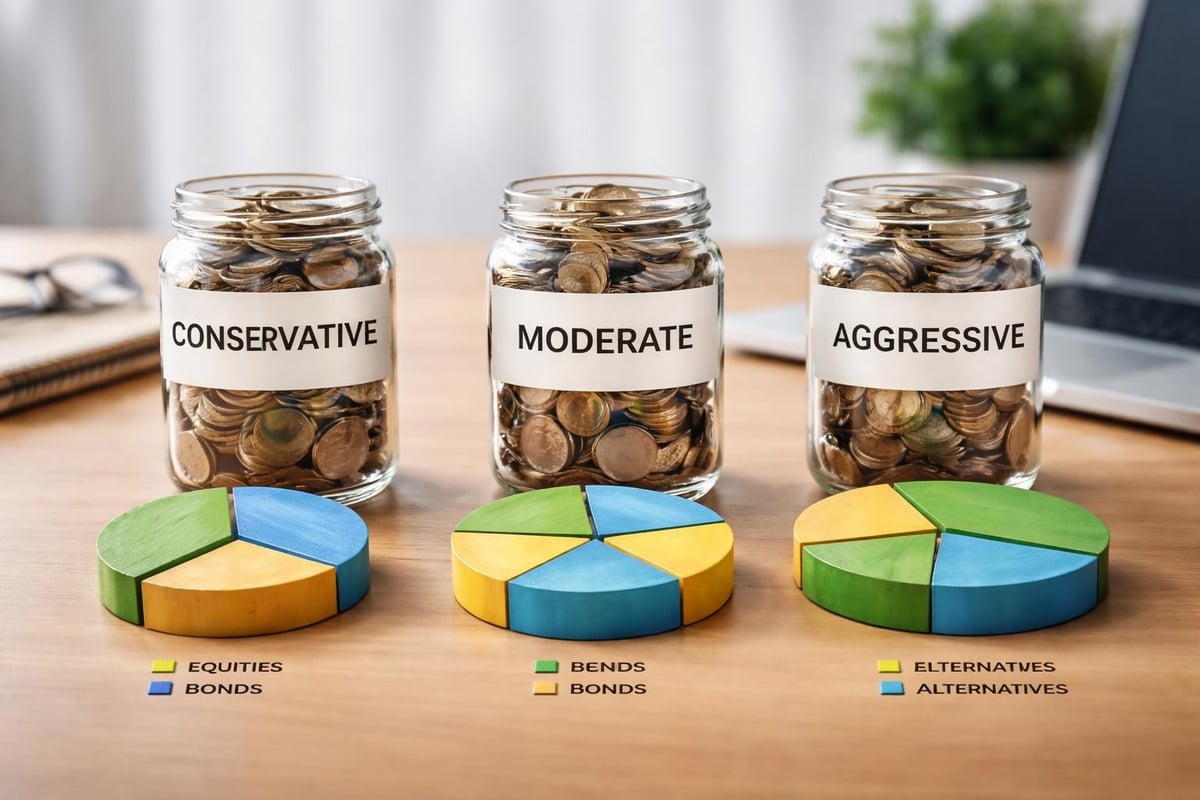
Asset allocation adjusts based on your stated risk tolerance, typically categorized as conservative, moderate, or aggressive. Conservative portfolios might allocate 30% to equities and 70% to bonds, while aggressive strategies could reverse that ratio. Some platforms offer more granular customization with eight or ten risk levels providing incremental differences in allocation.
Specialized Strategy Options
Advanced platforms have expanded beyond basic diversified portfolios to offer specialized strategies:
- Socially responsible investing portfolios excluding certain industries or emphasizing environmental and social governance factors
- Income-focused strategies emphasizing dividend-paying stocks and higher-yielding bonds
- Tax-efficient municipal bond portfolios for investors in high tax brackets
- Target-date retirement funds automatically adjusting allocations as retirement approaches
- Factor-based investing tilting toward specific characteristics like value, momentum, or quality
These specialized options provide greater alignment between portfolios and personal values or specific financial objectives, though they may carry slightly higher costs or require larger minimum investments.
Account Types and Accessibility
Most automated platforms support various account registrations including individual taxable accounts, traditional and Roth IRAs, SEP IRAs for self-employed individuals, and 401(k) rollovers. Some platforms have expanded to offer trust accounts, 529 college savings plans, and custodial accounts for minors.
The digital-first nature of these services means account opening occurs entirely online, typically requiring 10 to 20 minutes to complete. You'll provide personal information, link external bank accounts for funding transfers, answer risk assessment questions, and review proposed portfolios before finalizing setup.
Funding and Withdrawal Processes
Transferring money into and out of automated investment accounts generally proceeds through standard electronic transfers from linked bank accounts. Initial funding may take three to five business days to settle, after which the platform invests according to your selected strategy. Many platforms allow you to set up automatic recurring deposits to facilitate consistent investing habits.
Withdrawals follow similar timelines, with sale proceeds typically available in your linked bank account within one week. Tax-advantaged retirement accounts follow IRS rules regarding contribution limits, withdrawal restrictions, and potential penalties for early distributions before age 59½.
Performance Expectations and Benchmarking
When you invest with a robo advisor, performance expectations should align with the underlying investments rather than hopes for market-beating returns. Since most platforms employ passive indexing strategies, portfolios should track their benchmark indices minus fees. A portfolio allocated 60% to stock indices and 40% to bond indices should perform comparably to that blended benchmark.
Research on robo-advisor performance indicates that these platforms generally deliver returns consistent with their stated strategies, with variations primarily attributable to differences in asset allocation, fund selection, and rebalancing frequency rather than superior or inferior management skill.
Investors should focus less on short-term performance comparisons and more on whether the platform maintains target allocations, implements tax-loss harvesting effectively, and keeps total costs low. Over extended periods, these factors influence outcomes more significantly than minor performance variations.
Realistic Return Assumptions
Historical market data provides guidance for long-term expectations:
- Aggressive portfolios (80-90% stocks): 7% to 9% average annual returns with significant volatility
- Moderate portfolios (50-60% stocks): 5% to 7% average annual returns with moderate volatility
- Conservative portfolios (20-30% stocks): 3% to 5% average annual returns with lower volatility
These figures represent long-term averages, not guaranteed outcomes. Individual years may deviate substantially above or below these ranges. Understanding that automated platforms cannot eliminate market risk helps set appropriate expectations.
Security and Regulatory Considerations
Automated investment platforms operate under the same regulatory framework governing traditional investment advisors. Most register with the Securities and Exchange Commission (SEC) as registered investment advisors, subjecting them to fiduciary standards requiring them to act in clients' best interests.
Account assets receive protection through the Securities Investor Protection Corporation (SIPC), which covers up to $500,000 per customer, including $250,000 for cash claims, if a brokerage firm fails. This protection covers the custody of securities rather than investment losses from market fluctuations.
Security measures typically include bank-level encryption for data transmission and storage, two-factor authentication for account access, and continuous monitoring for suspicious activity. Reputable platforms undergo regular security audits and maintain cybersecurity insurance.
Making the Decision
Determining whether to invest with a robo advisor requires honest assessment of your financial situation, investment knowledge, and service preferences. These platforms serve investors well when:
- Investment needs remain straightforward without complex tax situations or estate planning requirements
- Cost sensitivity makes traditional advisory fees prohibitive or unappealing
- Time constraints limit your ability to research investments and manage portfolios actively
- Behavioral discipline benefits from automated execution removing emotional decision-making
- Wealth accumulation phase involves building assets rather than managing distributions or transitions
Conversely, situations involving significant complexity, desire for comprehensive planning, or need for ongoing strategic guidance may warrant personalized financial guidance from advisors who understand your complete financial picture and life goals.
Questions to Ask Before Investing
Evaluate potential platforms by addressing these critical questions:
- What is the total cost including platform fees and underlying fund expenses?
- How does the platform determine my appropriate asset allocation?
- What tax optimization strategies does the platform implement?
- Can I access human advisors, and what does that interaction entail?
- How does the platform handle market downturns and portfolio rebalancing?
- What happens if my financial situation changes significantly?
- Does the platform integrate with other financial accounts I maintain?
Thorough evaluation ensures the selected platform aligns with your current needs while accommodating potential future changes in your financial life.
Integration with Comprehensive Planning
While automated platforms excel at portfolio management, they represent just one component of comprehensive financial planning. Investors should consider how automated investing fits within broader planning areas including retirement planning and estate planning, tax strategy, insurance coverage, and cash flow management.
Some individuals successfully combine automated investment platforms for straightforward accounts like IRAs while working with traditional advisors for complex planning needs. This hybrid approach can optimize costs while ensuring access to expertise when circumstances demand it. The key involves understanding which decisions benefit from algorithmic efficiency versus which require human judgment and personalized analysis.
Automated investment platforms have democratized access to sophisticated portfolio management, offering cost-effective solutions for many investors building long-term wealth. However, understanding their limitations helps determine when personalized guidance delivers greater value. Whether you need comprehensive planning that addresses retirement strategies, tax optimization, estate considerations, or simply want to explore how technology and personal service can work together, Brookwood Investment Group offers fiduciary guidance tailored to your unique situation, helping you make confident financial decisions aligned with your goals and values.
